What Your Jeweler Isn't Telling You About Lab-Grown vs. Natural Rubies (And Why It's Costing You)
Let's be real for a second. When you walk into a jewelry store and ask about a ruby — whether it's for an engagement ring, a collector's piece, or a gift — you're trusting that the person behind the counter is giving you the full picture. But here's the uncomfortable truth: a lot of them aren't. Not because they're bad people, necessarily. But because the ruby industry, like a lot of luxury markets, has built itself on information asymmetry. They know more than you do, and that gap? It's profitable.
At Ruby Group Shop, we think that's a problem worth talking about openly. So let's get into it.
The Lab-Grown Ruby Isn't What You Think It Is — Or Isn't
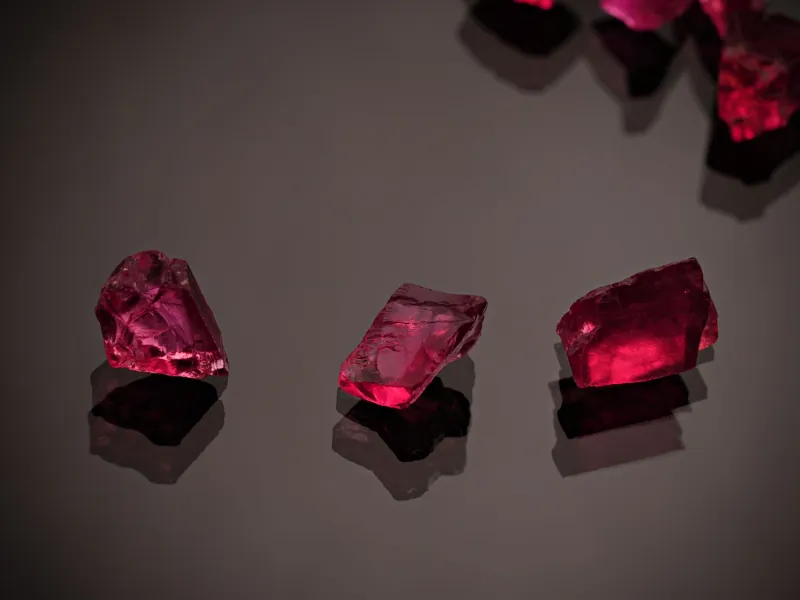
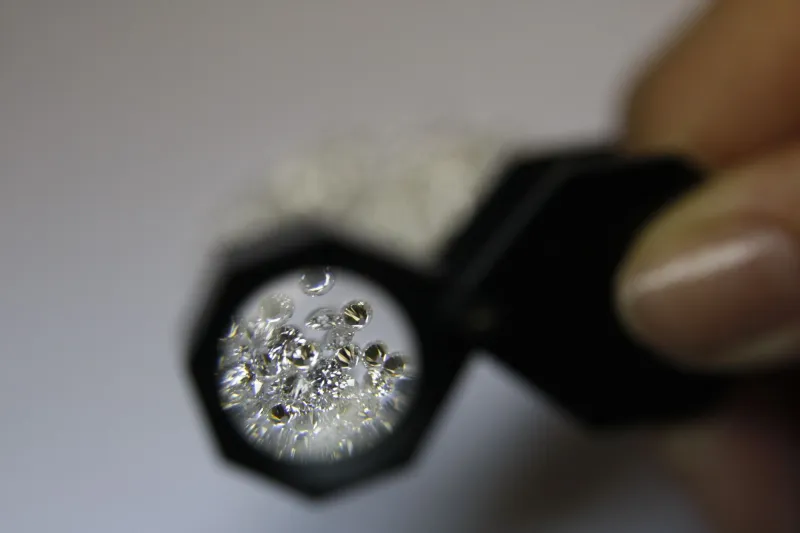
First, a quick reality check. Lab-created rubies are chemically and physically identical to mined rubies. Same aluminum oxide structure, same chromium that gives them that iconic red color, same hardness rating on the Mohs scale. A gemologist with a loupe cannot tell the difference with the naked eye. You need specialized equipment.
So when a jeweler tells you a lab-grown ruby is "not a real ruby," that's not accurate. It's a marketing position. The Federal Trade Commission actually updated its guidelines in 2018 to reflect this — lab-created gems are genuine gemstones. What they're not is mined, and that distinction matters for certain buyers. But it shouldn't be dressed up as a quality argument when it's really just a sourcing argument.
Why does this matter? Because that framing — lab = fake, mined = real — is one of the primary ways jewelers justify enormous price differences that don't always reflect actual value differences.
The Pricing Gap Nobody Wants to Explain
Here's where things get genuinely uncomfortable. A high-quality lab-grown ruby can retail for anywhere from 50% to 90% less than a comparable natural stone. On the surface, that sounds like a great deal for consumers. And it can be — if you're buying it at a fair price.
But some retailers are selling lab-grown rubies at prices that are only marginally lower than natural stones, pocketing the margin and banking on the fact that most shoppers won't do the homework. Others are selling natural rubies with inflated appraisals that don't reflect actual market value, then offering "deals" that still leave the buyer overpaying.
The problem isn't lab-grown rubies. The problem is opacity. When pricing isn't anchored to clear, verifiable standards — and in the ruby market, it often isn't — buyers are flying blind.
Grading Inconsistencies Are More Common Than You'd Expect
Diamonds have the GIA's well-known 4Cs system. Rubies? The grading landscape is messier. There's no single universal standard that every lab follows, which means a ruby graded by one gemological lab might receive meaningfully different ratings from another. Color descriptions like "pigeon's blood" — the most prized hue — have no locked-in scientific definition, and some labs apply the term more liberally than others.
This matters enormously for buyers making investment-grade purchases. If you're spending serious money on a ruby because a certificate says it's top-tier, you want that certificate to mean something consistent. Right now, it doesn't always.
Reputable labs like GIA, Gübelin, and SSEF are generally considered the gold standard for ruby certification, particularly for verifying natural origin and detecting heat treatment. But plenty of rubies circulate in the American market with certifications from lesser-known labs — or no certification at all. And some jewelers present those stones with the same confidence as if they came with a Gübelin report.
Always ask which lab issued the certificate. And if there isn't one, ask why.
Heat Treatment: The Open Secret
The vast majority of rubies on the market — estimates run as high as 95% — have been heat treated to improve color and clarity. This is a widely accepted and disclosed practice in the industry. But "widely accepted" doesn't always mean "widely disclosed" at the point of sale.
Heat treatment affects value. An untreated natural ruby of the same quality can command a significant premium over a treated one. If your jeweler isn't proactively mentioning treatment status, that's a gap you need to fill yourself. Ask directly: "Has this stone been heat treated? Is that disclosed on the certificate?"
For lab-grown rubies, treatment is less of a pricing variable — but origin disclosure is everything. You're entitled to know exactly what you're buying.
What Transparency Actually Looks Like
The good news: transparency is increasingly becoming a competitive differentiator in the jewelry market, and savvy American buyers are driving that shift. Here's what to demand from any jeweler — brick-and-mortar or online:
- Clear origin disclosure. Is this stone natural or lab-created? Where was it mined, if natural?
- Certification from a recognized lab. Not just any certificate — one from a reputable, independent gemological institution.
- Treatment disclosure in writing. Heat treatment, fracture filling, beryllium diffusion — these should all be on the paperwork.
- An appraisal that reflects current market value, not inflated retail price.
- A return or exchange policy that gives you time to have the stone independently verified.
If a jeweler gets defensive when you ask these questions, that tells you something important.
Lab-Grown Isn't the Enemy — Deception Is
We want to be clear about something: lab-grown rubies are a legitimate, beautiful option. For buyers who care about price, environmental footprint, or simply getting the most visually stunning stone for their budget, they're genuinely worth considering. The issue isn't the stone — it's when the buying experience is structured to obscure what you're actually getting.
Some of the most exciting developments in the ruby market right now involve lab-created stones being sold with full transparency, at honest prices, with proper documentation. That's a win for everyone. It creates more accessible entry points for new collectors, and it actually protects the value proposition of high-quality natural rubies by keeping the market honest.
The Bottom Line for American Ruby Buyers
The ruby market doesn't have to be this confusing. It's confusing because opacity has historically been profitable. But the internet has changed the game — buyers have more access to information than ever, and the jewelers who thrive long-term are the ones who lean into that rather than fight it.
At Ruby Group Shop, our whole thing is curated, trustworthy access to ruby products and information. Whether you're building a collection, buying a statement piece, or just starting to learn what makes a ruby worth owning, you deserve straight answers. Ask hard questions. Demand documentation. And if something feels off, trust that instinct.
The ruby is one of the world's most magnificent gemstones. It deserves a buying experience that's as exceptional as the stone itself.