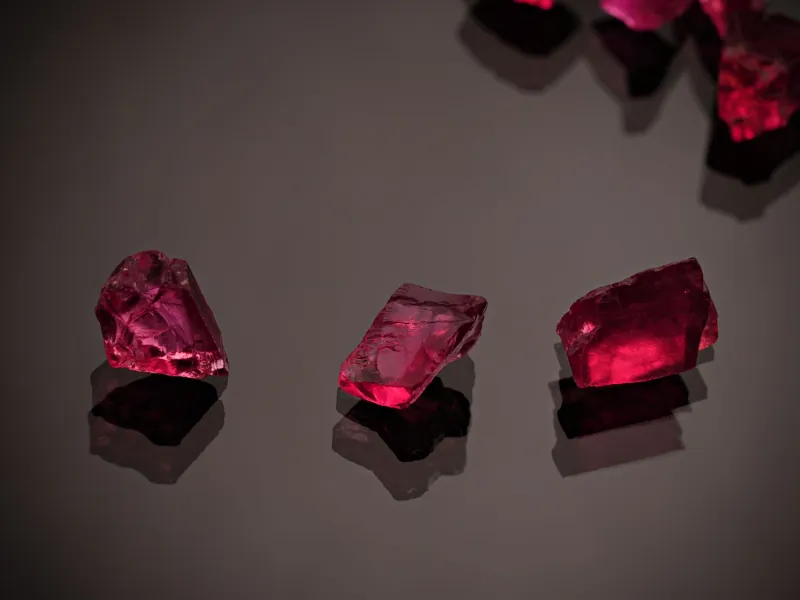
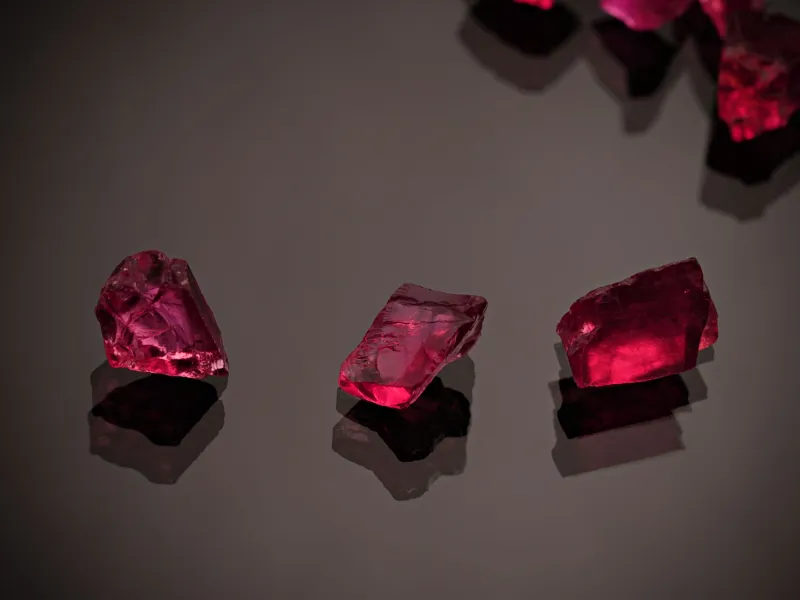
Know Where Your Ruby Comes From: A Practical Guide to Ethical Sourcing and Conflict-Free Stones
Most American consumers who've spent any time thinking about jewelry ethics know the term "blood diamond." The Kimberley Process, De Beers' marketing pivot, Leonardo DiCaprio — the diamond industry's reckoning with conflict stones made it into mainstream culture in a way that fundamentally changed how people shop for engagement rings. But here's the thing: the ruby market has its own sourcing complications, and they've largely flown under the radar.
If you're serious about collecting rubies — whether for their investment potential, their beauty, or both — understanding provenance isn't optional. It's one of the most important factors in determining a stone's value, authenticity, and the integrity of your purchase. At Ruby Group Shop, we believe that being a trusted source for curated ruby pieces means being completely straight with you about how this market actually works.
So let's get into it.
Why Ruby Provenance Is More Complicated Than You Might Think
Unlike diamonds, which have a relatively centralized global trade structure, rubies come from a geographically scattered set of source countries — each with its own political landscape, regulatory environment, and labor practices. The most prized rubies historically come from Myanmar (formerly Burma), but that country's ongoing human rights crisis has led the US government to impose sanctions that make importing Burmese rubies illegal for American buyers under the JADE Act of 2008.
That legal prohibition doesn't mean Burmese rubies have stopped entering the American market. It means they sometimes enter with misleading documentation or through third-country intermediaries that obscure their actual origin. For a collector or investor, buying a stone with falsified provenance creates real legal exposure — and for anyone who cares about where their money goes, it's obviously a problem worth taking seriously.
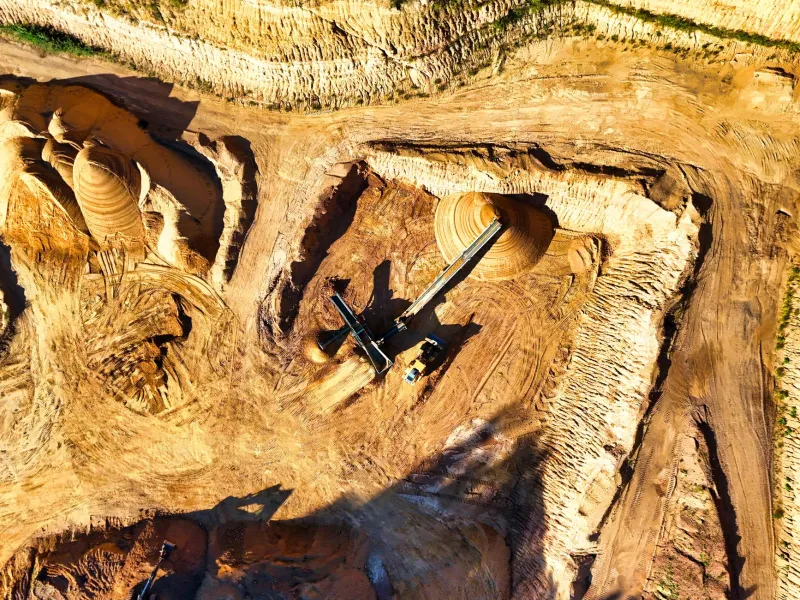
Other significant ruby-producing regions include Mozambique, Madagascar, Tanzania, Thailand, and Sri Lanka, each with varying levels of supply chain transparency. Mozambique, in particular, has become a major source of high-quality rubies in recent years, and responsible mining operations there have made meaningful efforts toward ethical labor practices and environmental standards.
What "Ethical Sourcing" Actually Means in the Ruby Market
The phrase gets thrown around a lot, but it's worth being specific about what you're actually looking for when you buy an ethically sourced ruby.
Fair labor practices — This means miners are paid fair wages, working in safe conditions, without child labor. It sounds like a baseline, but in artisanal mining contexts across parts of Africa and Southeast Asia, these standards aren't universally met.
Environmental responsibility — Mining is inherently disruptive to ecosystems. Responsible operations take steps to minimize land damage and have reclamation plans in place. Some certification programs require documented environmental practices as part of their standards.
Community benefit — The best ethical mining operations reinvest in local communities through infrastructure, education, and healthcare. When you buy from a certified ethical source, part of what you're supporting is that broader ecosystem of benefit.
Transparent chain of custody — This is arguably the most practically verifiable piece. Can the seller trace the stone from mine to market? Is that documentation available to you as the buyer?
Third-Party Certifications: What to Look For
The most reliable way to verify ruby origins is through independent gemological certification. Here are the key players you should know:
GIA (Gemological Institute of America) — The GIA's country-of-origin reports are among the most respected in the industry. A GIA report indicating a stone's likely geographic origin doesn't guarantee ethical sourcing on its own, but it's a critical starting point. If a seller can't produce a GIA report or equivalent for a significant ruby, that's a red flag.
Gübelin Gem Lab — Based in Switzerland, Gübelin is particularly respected for its ruby origin determinations and has developed a blockchain-based provenance tracking system called the Provenance Proof Blockchain that embeds nano-particles into stones at the mine level. This is cutting-edge transparency technology that some ethically-minded operations are beginning to adopt.
SSEF (Swiss Gemmological Institute) — Another highly regarded lab for origin determination, particularly for Burmese and Mozambican stones.
Fairtrade Gold and associated gemstone standards — While Fairtrade certification is more developed on the gold side, there are emerging frameworks for colored gemstones worth watching, particularly for stones from East African operations.
For American buyers, the practical advice is this: never purchase a significant ruby without an accompanying report from at least one of these recognized labs. And specifically ask the seller whether they can speak to the chain of custody beyond just the origin determination.
Questions to Ask Before You Buy
Whether you're shopping online or in a physical store, these questions will quickly reveal how transparent a seller is willing to be:
- Can you tell me the mine of origin for this stone, not just the country?
- Do you have a GIA or equivalent lab report I can review?
- Has this stone been verified against US sanctions regarding Burmese rubies?
- Can you provide documentation of the chain of custody from mining to sale?
- Does your business have a written ethical sourcing policy?
A seller who gets defensive or vague in response to these questions is telling you something important. A seller who answers confidently and can produce documentation is the kind of partner you want for serious ruby investment.
The Investment Case for Ethical Sourcing
Here's something that doesn't get talked about enough: ethical provenance isn't just a moral consideration, it's a financial one. As awareness of supply chain issues grows among collectors and investors, stones with clean, verifiable origins command a premium in the secondary market. A Mozambican ruby with full Gübelin documentation and a traceable chain of custody is a more liquid asset than a stone of similar quality with murky origins.
Regulatory risk is also real. US customs enforcement around the JADE Act has become more sophisticated, and a stone that enters the country with falsified documentation creates downstream legal complications for anyone who holds it. That's not a risk any serious collector should be comfortable carrying.
How Ruby Group Shop Approaches Sourcing
At Ruby Group Shop, our curatorial process is built around the principle that the story behind a stone matters as much as the stone itself. We work with suppliers who can provide transparent documentation, and we prioritize pieces that come with credible third-party certification. When we don't have complete provenance information on a stone, we say so — and we price accordingly.
We believe that being a responsible retailer in this space means being your partner in making informed decisions, not just your transaction processor. If you have questions about the sourcing of any piece in our collection, our team is available to walk you through everything we know.
The ruby market is genuinely beautiful and genuinely complex. The good news is that with the right knowledge and the right partners, you can participate in it with both confidence and integrity. That's exactly the kind of collecting experience we're here to help you build.