Pigeon's Blood, Commercial Grade, and Everything Between: Your No-Nonsense Ruby Buying Guide
Rubies are one of the most coveted gemstones on the planet, but they're also one of the most misunderstood when it comes to pricing. Walk into a jewelry store or browse an online marketplace and you'll see rubies ranging from $50 to $50,000 per carat — sometimes more. What on earth is driving that spread? The short answer is color grading, origin, treatment status, and certification. The longer answer is what this guide is all about.
Whether you're buying your first ruby or adding to a serious collection, understanding how these stones are evaluated is the single most important thing you can do before spending a dime. Let's break it down.
Why Color Is King in the Ruby World
In the diamond world, the "Four Cs" (cut, color, clarity, carat) carry roughly equal weight in determining value. With rubies, color is so dominant that it essentially operates on its own tier. A ruby with exceptional color but moderate clarity will almost always outvalue a ruby with perfect clarity but mediocre color. That's just how this market works.
Ruby color is evaluated across three dimensions: hue (the actual color), saturation (how intense or vivid that color is), and tone (how light or dark the stone appears). The ideal ruby sits at the intersection of a pure red hue, vivid saturation, and a medium to medium-dark tone. Stones that fall outside those parameters drop in value — sometimes dramatically.
What Is Pigeon's Blood, Really?
If you've spent any time researching rubies, you've almost certainly encountered the term "pigeon's blood." It sounds a little dramatic, but it refers to a very specific color standard that represents the absolute pinnacle of ruby quality.
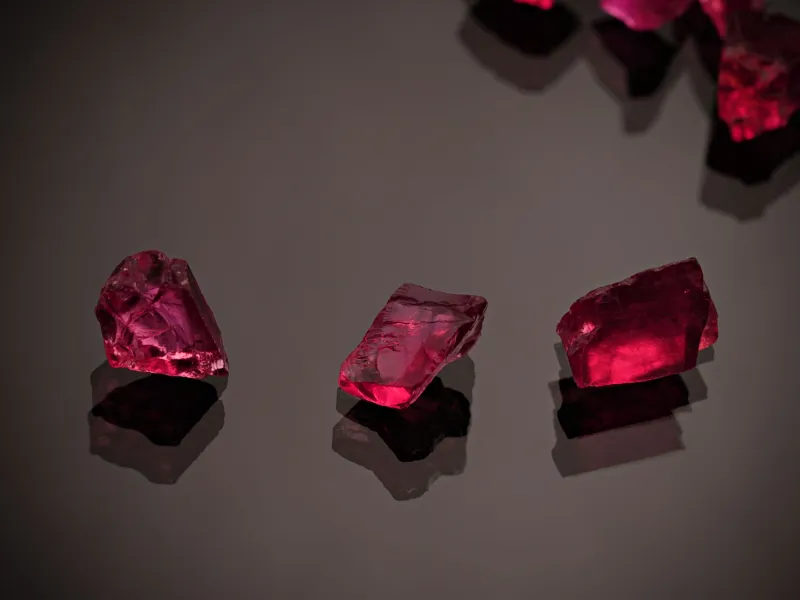
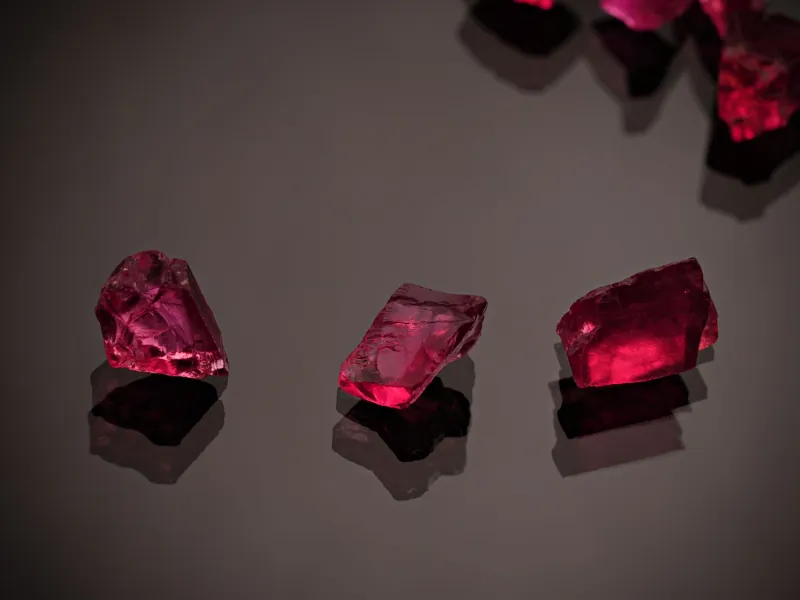
The term originates from the traditional Burmese gemstone trade and describes a ruby with a pure, vivid red color that carries a very slight blue undertone — sometimes described as a "glowing" quality, as if the stone has an internal light source. The name is evocative for a reason: this color is extraordinarily rare and commands prices that can be ten times higher (or more) than rubies of similar size but lesser color.
Importantly, "pigeon's blood" is not a standardized term recognized by all gemological laboratories in the same way. The Gübelin Gem Lab and SSEF (both Swiss institutions) were among the first to use it on official reports, and the GIA has its own color terminology that overlaps but doesn't perfectly align. When you see a ruby described as pigeon's blood, always look for that designation on the accompanying lab report — not just in a seller's description.
Breaking Down the Color Grade Spectrum
So if pigeon's blood is at the top, what's below it? Here's a practical breakdown of how rubies are generally categorized in the market:
Fine/Investment Grade: These are rubies that, while not quite achieving pigeon's blood designation, still display vivid red color with minimal secondary hues (orange or purple). They're often described as "vivid red" or "strong red" on lab reports. These stones are highly sought after by collectors and represent a serious investment.
Good/Commercial Plus Grade: Rubies in this range show good color but may lean slightly orange or purplish-red, or the saturation may be a touch below "vivid." These are genuinely beautiful stones that are very wearable and represent solid value for jewelry buyers who want quality without investment-tier pricing.
Commercial Grade: This is a broad category covering rubies with noticeable secondary hues, lower saturation, or lighter tones. They're the rubies you'll find in fashion jewelry, lower price-point retail settings, and mass-market pieces. There's absolutely nothing wrong with commercial-grade rubies for everyday wear — they just shouldn't be priced like fine stones.
Low/Utility Grade: Very pale, heavily included, or significantly off-color stones that are primarily used in lower-end jewelry or decorative applications.
The Massive Impact of Treatment
Here's something that surprises a lot of first-time ruby buyers: the vast majority of rubies on the market — estimates run as high as 95% — have been heat-treated. Heat treatment is an accepted, industry-standard process that improves a ruby's color and clarity by exposing the stone to high temperatures. It's been practiced for centuries and is considered legitimate by essentially all major gemological labs.
The key issue is disclosure. A treated ruby should always be disclosed as such, and a lab report should note the treatment status clearly. The price difference between a treated and untreated ruby of similar quality can be enormous — we're talking 200% to 500% or more for natural, unheated stones, especially in larger sizes.
Beyond heat treatment, some rubies undergo more significant interventions like fracture filling (where a glass or resin substance is used to fill surface-reaching cracks). This is a more controversial treatment that substantially reduces value and durability. Always ask directly about treatment status, and always verify it with a lab report.
Origin Matters — A Lot
Where a ruby comes from has an outsized effect on its value, particularly at the fine end of the market. Burmese rubies — especially those from the Mogok Valley — carry a prestige premium that's reflected in prices worldwide. The geology of Mogok produces rubies with that characteristic fluorescent red glow that collectors prize above all others.
Mozambican rubies have emerged as a genuine competitor over the past decade, producing stones with vivid color that rival Burma's finest. Thai, Sri Lankan, and Madagascan rubies each have their own characteristics and price points.
Origin determination is a specialized skill, and reputable labs like GIA, Gübelin, and AGL can provide origin opinions on their reports. For investment-grade purchases, an origin report isn't optional — it's essential.
How to Read a Ruby Certificate
When you're buying a ruby of any significance, a lab report from a recognized institution is non-negotiable. Here's what to look for:
- Issuing laboratory: GIA, AGL, Gübelin, and SSEF are the gold standard for colored stones in the US market.
- Color description: Look for terms like "vivid red," "strong red," or the pigeon's blood designation if applicable.
- Treatment disclosure: Should clearly state whether the stone is unheated ("no indications of heating") or treated.
- Geographic origin: Present on some reports; highly valuable for investment purchases.
- Clarity and cut grades: Less critical than in diamonds, but still useful context.
Putting It All Together
Navigating the ruby market doesn't have to feel overwhelming once you understand what actually moves the needle on price. Color is everything. Treatment status is a close second. Origin adds a premium at the fine end. And certification is the document that ties it all together.
At Ruby Group Shop, we're passionate about helping our customers make purchases they'll feel great about — whether that's a stunning pigeon's blood stone for a serious collection or a beautifully colored commercial-grade ruby that's going to look incredible in a custom setting. The more you know going in, the better the outcome. And honestly? Learning the language of rubies is half the fun.