Why Buying Rubies With a Crew Beats Going It Alone Every Single Time
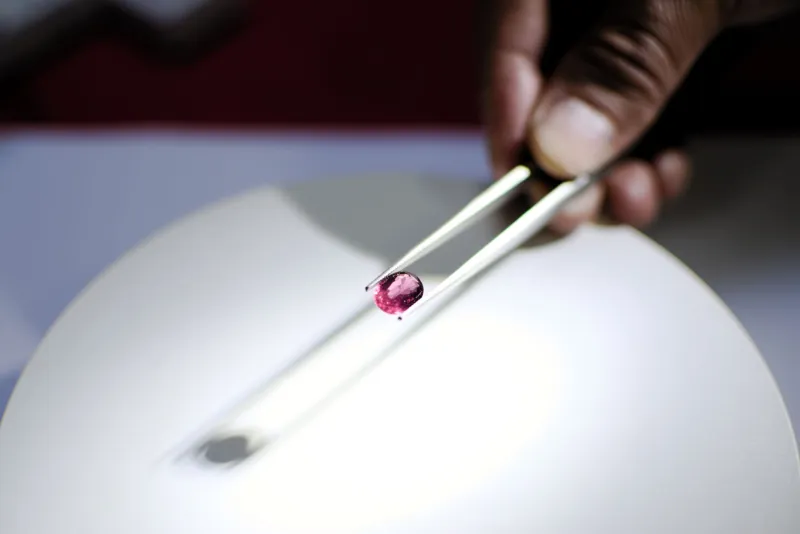
Let's be honest about something most jewelry guides won't say out loud: the ruby market has always had an insider problem. The best stones — the ones with exceptional color saturation, clean clarity, and verified provenance — rarely make it to the open retail floor. They get absorbed by dealers, auction houses, and institutional buyers who operate in a completely different economic universe than the average American collector.
So what does that leave for the rest of us? Usually, whatever's left over.
That's the uncomfortable reality behind solo ruby shopping. And it's exactly why the group purchasing model has been quietly gaining serious traction among collectors who are tired of paying premium prices for second-tier inventory.
The Price Gap Is Bigger Than You Think
Here's a number that might surprise you: the markup between wholesale dealer pricing and standard retail on colored gemstones — rubies included — can range anywhere from 100% to over 400%, depending on the stone and the seller. A ruby that a licensed dealer picks up at a Bangkok trade show for $800 per carat might sit in a retail display case with a $2,800 per carat tag on it. Same stone. Wildly different price.
When you walk into a jewelry store or browse a retail gemstone platform solo, you're operating in that top tier of pricing by default. You don't have leverage. You don't have volume. You don't have the kind of ongoing relationship with a supplier that earns you a seat at the negotiating table.
A well-organized buying group changes every single one of those variables.
When collectors pool their purchasing intent — essentially committing to a certain volume of spend in a coordinated way — they start to look a lot more like a dealer than a retail customer. And suppliers notice. They respond to that with better pricing, priority access to incoming inventory, and a willingness to negotiate on terms that would be laughed off if you tried them alone.
Access to Lots That Don't Exist for Solo Buyers
Beyond pure pricing, there's another layer to the group advantage that doesn't get talked about enough: access.
Top-tier ruby parcels — particularly lots sourced from Mogok, Burma or Mozambique's Montepuez region — are frequently offered as complete parcels rather than individual stones. A parcel might include 10 to 50 stones of varying quality, bundled together by a miner or first-tier dealer. The price point to acquire that parcel outright? Often $15,000 to $50,000 or more, depending on the quality range.
For a solo collector with a $2,000 to $5,000 budget, that parcel simply doesn't exist. It's not even on the menu.
But for a buying group of 15 to 20 collectors each contributing a few thousand dollars? Suddenly that parcel becomes not just accessible, but genuinely attractive. The group can acquire the lot, have stones independently graded and evaluated, then distribute them to members based on preference and contribution level. Everyone walks away with stones that, at retail, would have cost them two to three times what they actually paid.
That's not a hypothetical scenario. Curated group buying operations — including the kind that Ruby Group Shop was built around — make exactly this kind of transaction happen on a regular basis.
The Psychology of Collective Negotiation
There's also something worth understanding about the psychology at play when a group enters a negotiation versus an individual.
A solo buyer is a one-time transaction in the eyes of most suppliers. Even if you're enthusiastic, even if you know your stuff, you represent a finite and relatively small amount of revenue. A buying group, by contrast, represents ongoing, repeat business. Suppliers are far more motivated to offer favorable terms — better pricing, first-look opportunities, flexible payment structures — when they see a consistent revenue relationship on the other side of the table.
This is why experienced collectors often describe joining a curated buying group as a kind of "unlocking" moment. The market doesn't change, but your position within it does. Suddenly you're operating closer to the dealer tier than the retail tier, and the economics shift accordingly.
What to Look for in a Ruby Buying Group
Not all group buying arrangements are created equal, so it's worth knowing what separates a legitimate, well-run operation from something that's just trying to pool your money without delivering real value.
Transparency on sourcing. Any group worth joining should be able to tell you exactly where stones are coming from — country of origin, mine if possible, and which dealers or auctions were involved in acquisition. Vague answers here are a red flag.
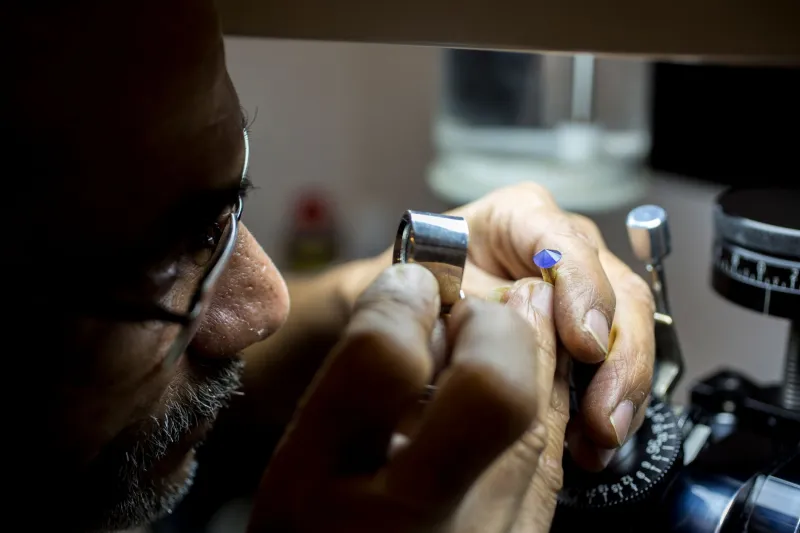
Independent grading. Stones acquired through group purchases should be graded by a recognized, independent lab — GIA, AGL, or Gübelin are the gold standard in the US market. Groups that resist third-party verification are protecting themselves, not you.
Clear distribution methodology. How does the group decide who gets which stone? Is it based on contribution level, preference ranking, or a lottery system? The answer matters less than the fact that there's a clear, agreed-upon answer at all.
Verifiable track record. How long has the group been operating? Can you talk to current or former members? Are there documented examples of the pricing advantages they've delivered? A group that's been running successfully for two or more years is a much safer bet than a newly launched operation making big promises.
The Real Cost of Going It Alone
Here's a way to frame it that might hit close to home: if you've been shopping for rubies through standard retail channels — whether that's a local jeweler, an online marketplace, or even a reputable auction house — you've almost certainly been leaving money on the table. Not because you did anything wrong, but because the system isn't designed to give individual buyers the same advantages it extends to organized, high-volume purchasers.
The group buying model doesn't require you to be wealthy or well-connected to access better stones at fairer prices. It just requires you to stop shopping alone.
At Ruby Group Shop, that idea is kind of the whole point. The platform exists to bridge the gap between the insider market and the everyday collector — curating access to stones and lots that would otherwise stay invisible to solo shoppers, and delivering them at price points that actually reflect the underlying value of the gem rather than the markup of a retail intermediary.
The rubies are out there. The deals are real. You just need to show up with the right crew.