Vintage Ruby Jewelry Era by Era: Where the Real Bargains Are Hiding Right Now
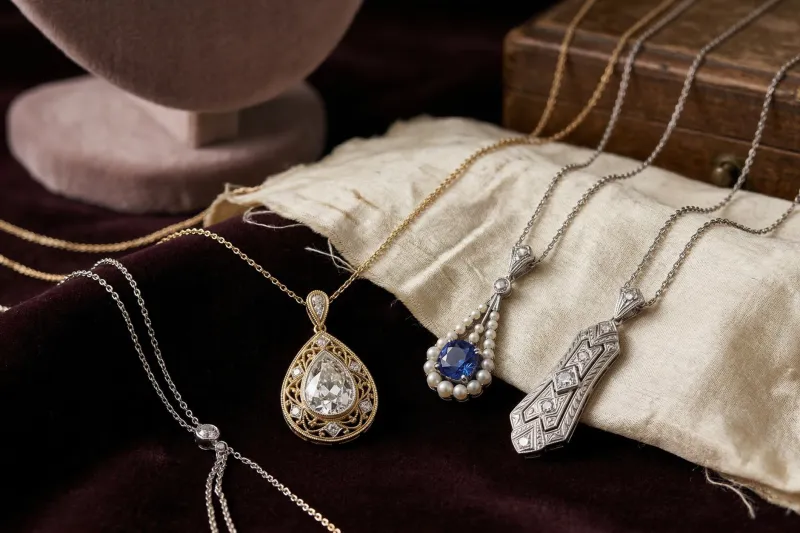
Vintage jewelry is one of those rare collecting categories where history, artistry, and investment potential all collide in the most satisfying way. And when rubies are involved, the stakes get even higher. But here's the thing most casual shoppers miss: not all vintage eras are priced equally, and right now, some periods represent genuinely exceptional value while others have been bid up to the point where the math stops making sense.
Let's take a tour through the decades and figure out where the smart money is going.
The 1940s: Wartime Elegance and Underappreciated Craftsmanship
World War II–era jewelry often gets overlooked in favor of flashier periods, but that's exactly why it's worth paying attention to. Wartime restrictions on platinum pushed American and European jewelers toward yellow gold and rose gold, which actually pairs beautifully with the warm red tones of rubies. The designs from this period tend to be bold yet refined—think floral clusters, bombe rings, and retro-style bracelets with architectural heft.
Quality-wise, the rubies used in 1940s pieces are often excellent. Many were sourced from Burma before export restrictions tightened, and the stones were selected with a craftsman's eye rather than a volume-retailer's. The cutting techniques of the era prioritized color retention over sparkle maximization, which means the stones often have a rich, saturated depth that's hard to replicate.
Market outlook: 1940s ruby pieces are moderately priced compared to their Art Deco predecessors and are increasingly sought after by collectors who've been priced out of the pre-war market. This is a strong window for buyers.
Art Deco (1920s–Early 1930s): Gorgeous, Expensive, and Worth Every Penny—If You Can Afford It
Art Deco ruby jewelry is the crown jewel of vintage collecting, and the market knows it. The geometric precision, the contrast of rubies against diamonds and onyx, the platinum settings—it's all genuinely spectacular. Cartier, Van Cleef & Arpels, and a host of skilled independent makers produced pieces during this era that now command staggering prices at auction.
For most collectors, Art Deco pieces are more aspirational than accessible. That said, unsigned Art Deco pieces—ones without a major house's stamp—can still be found at reasonable prices if you're diligent about estate sales and smaller auction houses. The style is so distinctive that even unsigned work carries significant collector interest.
Market outlook: High prices, high competition. Better for established collectors with deep pockets. Unsigned pieces offer the best entry point.
Mid-Century Modern (1950s–1960s): The Sweet Spot Nobody's Talking About
If there's one era that deserves more attention from American collectors right now, it's the 1950s and '60s. Post-war optimism produced jewelry that was simultaneously glamorous and wearable—cocktail rings with large central rubies, starburst brooches, and elegant drop earrings that could transition from a dinner party to a garden luncheon without missing a beat.
The craftsmanship is exceptional. American and European makers from this period were still hand-finishing their work, and the settings are built to last. Ruby quality varies more than in earlier eras (commercial-grade stones became more common as the market expanded), but with careful selection, you can find stunning pieces at prices that haven't yet caught up to their actual quality.
Market outlook: Genuinely undervalued right now, especially compared to the Art Deco premiums. Mid-century pieces are starting to trend upward as younger collectors discover them, but there's still time to get in before prices spike significantly.
The 1970s: Funky, Polarizing, and Potentially Profitable
The 1970s are a divisive era in jewelry collecting. The aesthetic was bold, sometimes bordering on chaotic—chunky yellow gold, organic shapes, and rubies used more for impact than refinement. It's not everyone's taste, and that's actually good news for collectors who appreciate the period.
Because 1970s jewelry hasn't achieved the mainstream collector status of earlier decades, prices are often low relative to the materials involved. A 1970s ruby and gold statement piece might sell for a fraction of what a comparable 1950s piece would fetch, simply because the style hasn't had its moment of critical reappraisal yet. That moment is coming—vintage fashion cycles tend to rehabilitate every era eventually.
Market outlook: High upside potential for patient collectors willing to buy before the trend catches on. Look for pieces with quality stones even if the settings feel dated—the ruby is the asset.
1980s Statement Jewelry: The Market's Guilty Pleasure
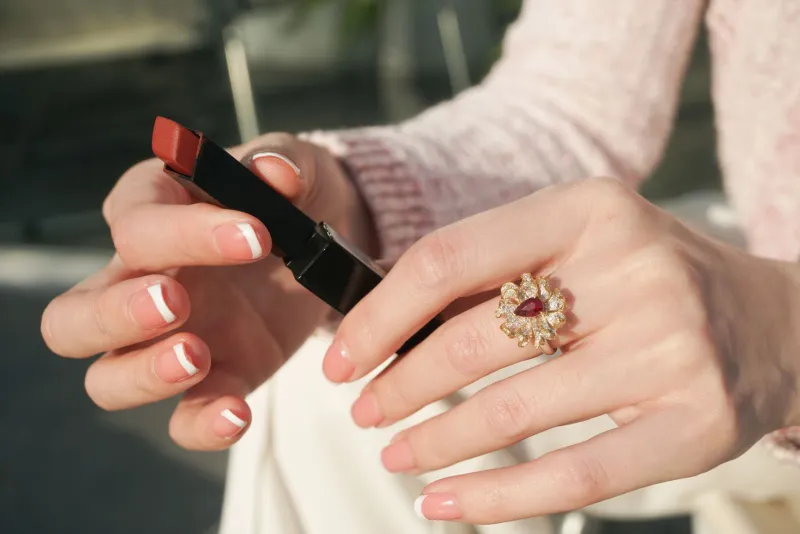
The 1980s gave us oversized everything, and ruby jewelry was no exception. Big cluster rings, dramatic cocktail pieces, and bold brooches dominated the decade. The quality of stones varies wildly—this was an era of volume production as much as artisan craft—but the best 1980s pieces have a confident maximalism that's genuinely back in style.
Interestingly, high-quality 1980s ruby pieces are currently having a moment driven by the broader Y2K and retro fashion revival. Younger buyers are gravitating toward the boldness of the era, and prices are creeping up accordingly.
Market outlook: Already trending. Buy quality pieces now before the wave fully hits. Be selective—not all 1980s ruby jewelry is worth collecting, but the best of it absolutely is.
How to Find Vintage Rubies Without the Headaches
Knowing which eras offer the best value is only half the battle. Finding quality pieces requires patience and the right sourcing channels. Estate sales, regional auction houses, and reputable vintage dealers are your best bets. Online marketplaces can work, but the risk of misrepresentation is higher—always request detailed photos, ask about any treatments, and look for seller documentation.
At Ruby Group Shop, we keep a close eye on vintage market trends so our community always knows where the opportunities are. Whether you're hunting for a mid-century cocktail ring or a wartime-era cluster bracelet, understanding the era behind the piece makes you a far more confident—and successful—collector.